


Incident Management: What is it and how does it work?
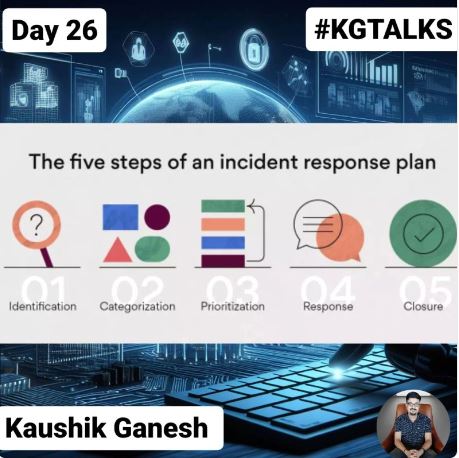
Incident management is the process of identifying, analyzing, and solving any organizational mishaps or hazards to prevent them from happening again. The aim of incident management is to fix and clear these issues before they become large-scale, company-wide crises. There are five steps in an incident management plan.
Identification:
This is the first step where the incident is detected and reported by a user, a team member, a monitoring tool, or any other source.
Categorization:
This is the step where the incident is classified based on its type, impact, urgency, and severity. This helps to determine the appropriate response and escalation level for the incident.
Prioritization:
This is the step where the incident is assigned a priority level based on its potential risk and business impact. This helps to allocate the right resources and set the expected resolution time for the incident.
Incident Response:
This is the step where the incident is handled by the assigned team or individual, who will investigate the root cause, apply a workaround or a permanent solution, and communicate the status and progress of the incident to the stakeholders.
Closure:
This is the final step where the incident is resolved and documented, and any lessons learned or improvement actions are identified and implemented.
Here are some examples of how these steps can be applied to different types of incidents:
Wi-Fi Issues:
– An employee reports Wi-Fi connectivity problems.
– Incident categorized as a low-impact network issue.
– Prioritised as P3 (medium priority).
– IT support team reboots the router, restoring Wi-Fi.
– Incident closed and documented in the knowledge base.
Malware Infection:
– Security alert: virus/malware on company devices.
– High-impact security issue, prioritised as P1.
– The security team isolates devices and removes malware.
– Updates antivirus software and firewall settings.
– Communicates resolution to affected users and management.
– Conducts postmortem analysis.
Website Lags and Errors:
– Customer reports slow loading and navigation errors.
– Web issue with moderate impact, prioritised as P2.
– Web development team identifies code bugs.
– Fixes bug, deploys updated code, and tests website.
– Incident closed, documented, and fix recorded in code repository.
I hope you find this post useful and informative. Please feel free to share your thoughts and feedback in the comments. Stay tuned for more posts on cybersecurity, risk and compliance in the coming days.


