


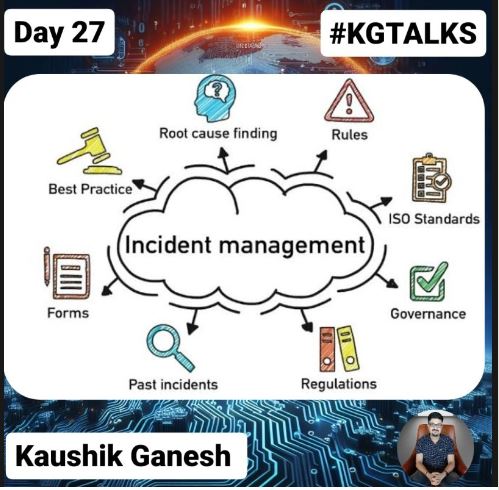
Incident Management Practices
As professionals, we encounter unexpected disruptions in our projects and workflows. These incidents can range from minor hiccups to critical issues that impact productivity and customer satisfaction. Incident management is our compass during these stormy waters—a process that helps organizations address interruptions swiftly and effectively.
What is Incident Management?
Incident management is the process of detecting, investigating, and responding to incidents as quickly as possible. While it doesn’t always lead to permanent solutions, it plays a vital role in keeping projects on track and minimizing the impact of disruptions.
Here are some key points:
1. Incidents Defined:
An incident refers to any disruption to a service or workflow. It could be Wi-Fi connectivity issues, a virus or malware bug, email malfunctions, website lags, or security incidents. Essentially, anything that makes life harder for customers or employees qualifies as an incident.
2. Swift Response:
Incident management aims to resolve these issues promptly. It’s about finding quick fixes to keep projects moving forward. While it won’t always address the root cause, it ensures that the show goes on.
3. Five-Step Process:
Incident management follows a structured approach:
– Detection: Identifying incidents promptly.
– Analysis: Investigating the issue to understand its impact.
– Response: Taking immediate action to mitigate the problem.
– Resolution: Implementing temporary fixes.
– Closure: Documenting the incident and lessons learned.
Why Does It Matter?
– Project Timelines:
Incident management prevents minor hiccups from snowballing into major delays. By addressing incidents swiftly, we maintain project timelines.
– Customer Satisfaction:
Happy customers are essential. Resolving incidents quickly ensures minimal disruption to their experience.
– Employee Productivity:
Teams can focus on impactful work when incidents are swiftly handled. Less firefighting, more impact!
Best Practices:
1. Define Incidents:
Clearly articulate what constitutes an incident in your context. Is it a server outage, a software glitch, or something else? Clarity matters.
2. Incident Templates:
Create incident management templates. When an incident occurs, your team knows exactly how to respond.
3. Collaboration:
Involve relevant stakeholders—IT, project managers, and support teams—to tackle incidents effectively.
Remember, incident management isn’t just an IT thing. It’s a mindset that keeps our projects sailing smoothly. Let’s embrace it and ensure that disruptions don’t steer us off course!
I hope you find this post useful and informative. Please feel free to share your thoughts and feedback in the comments. Stay tuned for more posts on cybersecurity, risk and compliance in the coming days.


