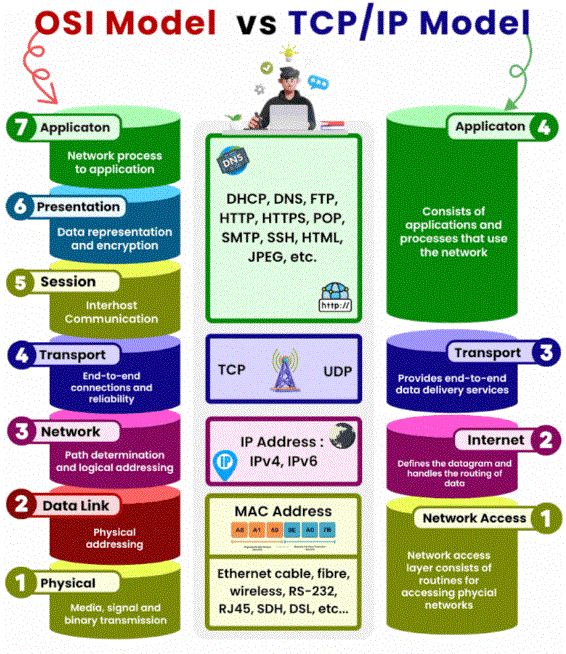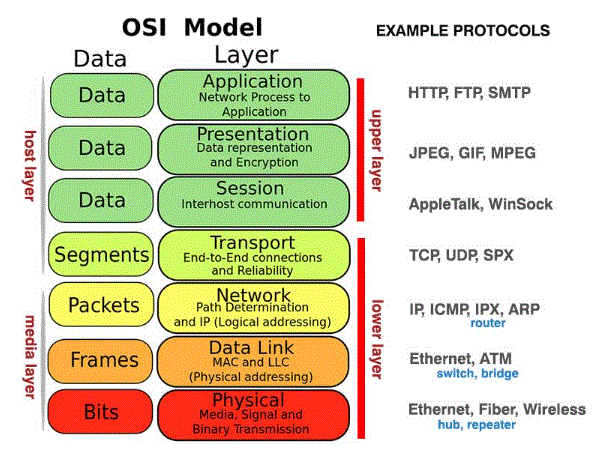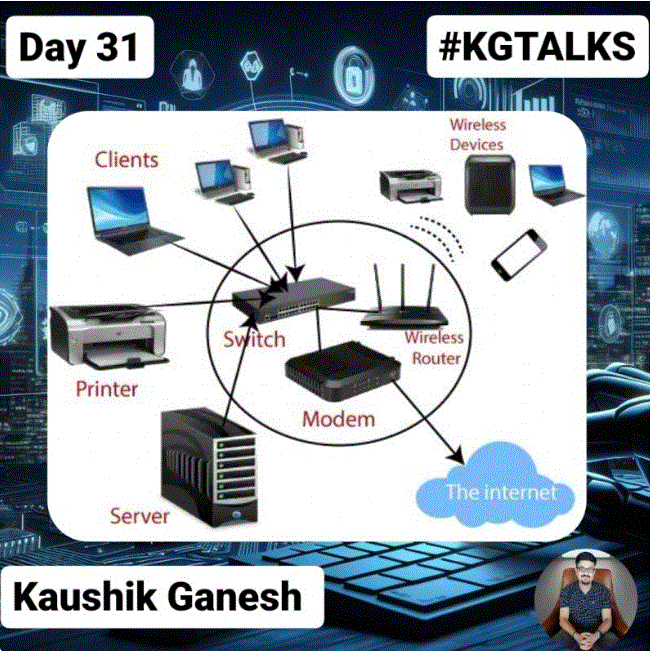
Computer networking is the practice of interfacing two or more computing devices with each other for the purpose of sharing data. A network is a collection of computers and devices that are interconnected to enable communication and data exchange. These networks can span small areas (like an office or home) or large regions (such as cities or even the entire world).
How Does a Computer Network Work?
The fundamental building blocks of a computer network are nodes, links and protocols
1. Nodes: These represent devices connected to the network. They can be communication equipment (like modems or routers) or data terminals (connecting two or more computers).
2. Links: These are the physical connections—wires, cables, or wireless channels—that allow data to flow between nodes.
3. Protocols: Computer networks operate based on protocols, which define rules for sending and receiving data via these links. Each device has an IP address for identification.
Type of Network Topologies:
Network topology refers to the arrangement of different elements (links, nodes, etc.) of a computer network. There are several types such as the Star, Ring, Mesh, Tree and Bus topologies.
Types of Networks
1. Local Area Network (LAN): This is a network that connects computers and devices in a limited area such as a home, school, or office building.
2. Wide Area Network (WAN): This is a network that covers a large area such as a city, country, or spans even intercontinental distances.
3. Wireless Local Area Network (WLAN): This is a wireless version of a LAN.
4. Metropolitan Area Network (MAN): This is a network that connects two or more local area networks or campus area networks but does not extend beyond the boundaries of the immediate town, city, or metropolitan area.
5. Personal Area Network (PAN): It is a type of network having an interconnection of personal technology devices to communicate over a short distance.
Key Components of a Computer Network
1. Nodes: These are the individual devices such as computers, servers, or printers that participate in the network.
2. Network Interface Card (NIC): This is a hardware component that allows computers to connect to a network.
3. Switches: These are devices that connect multiple devices on a LAN (Local Area Network).
4. Routers: These are devices that connect multiple networks together and route network traffic.
5. Cables & Connectors: These are used to connect the devices in the network.
6. Firewall: A security device monitoring and controlling network traffic to protect against unauthorized access.
I hope you find this post useful and informative. Please feel free to share your thoughts and feedback in the comments. Stay tuned for more posts on cybersecurity, risk and compliance in the coming days.