In the realm of computer networking, ports play a crucial role. They are the endpoints through which your computer sends and receives data. But what exactly are these ports, and how do they work?
What are Network Ports?
A network port, in the context of computer networking, is a unique identifier for different applications or processes on a computer. It’s like an apartment number in a large building where the building address is the IP address and the apartment number is the port number.
How Do They Work?
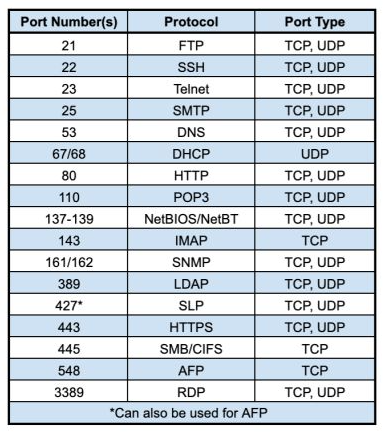
When data is sent across the internet, it’s directed to a specific port number. This allows the receiving computer to understand what kind of data it’s receiving and which application should handle it. For example, web traffic usually goes to port 80 (HTTP), while email might go to port 25 (SMTP).
TCP and UDP Ports:
There are two main protocols that use ports: TCP (Transmission Control Protocol) and UDP (User Datagram Protocol). TCP is connection-oriented, ensuring that all data packets reach their destination in the correct order. UDP, on the other hand, is connectionless and does not guarantee delivery or order, making it faster and more suitable for real-time applications like video streaming or gaming.
Types of Ports:
1. Well-Known Ports (0-1023): Reserved for common services like HTTP (80) and FTP (21).These are reserved for privileged services and designated by the Internet Assigned Numbers Authority (IANA).
2. Registered Ports (1024-49151): Used by less common applications, can be registered for specific services.
3. Dynamic Ports (49152-65535): Also known as private ports, used for temporary connections and not registered for specific services.These are typically used for ephemeral ports, which are temporary and only needed for the duration of a communication session.
Why are Network Ports Important?
Without network ports, our computers wouldn’t know how to sort incoming and outgoing data. They allow multiple processes to share a single physical network connection simultaneously and enable our devices to run multiple applications at the same time.
In conclusion, network ports might seem like a small detail in the grand scheme of networking, but they’re essential for maintaining order and efficiency in our digital communications.
I hope you find this post useful and informative. Please feel free to share your thoughts and feedback in the comments. Stay tuned for more posts on cybersecurity, risk and compliance in the coming days.